The Road: 100 years of sorrow
A film project that traces memory, sacrifice, and the long shadow of history across generations.
SYNOPSISTwo weathered shafts stand off the coast of Ube, Japan. They once connected the sea's surface to the Chosei coal mine below. In 1942, the mine flooded, killing 183 workers, 136 of them from the Korean Peninsula. More than eight decades later, the work of recovering the dead and returning them to their families remains unfinished. THE ROAD begins at this shoreline and follows the paths people took across the colonial century: journeys of exile and resistance through Manchuria and the Russian Far East; the Soviet deportation of Koreans to Central Asia; the violence against Koreans that followed the 1923 Great Kanto Earthquake; wartime labor sites in Japan; and the lives of Koreans who remained there after 1945. In Berlin, the film examines Germany's long and contested attempts to make state responsibility part of public memory. It then returns to Ube, where the distance between speaking a person's name and bringing that person home is still painfully real.
DIRECTOR'S NOTEThe Road began with a desire to revisit the emotional and historical landscapes that continue to shape Korean identity. Rather than approaching history as a closed chapter, the film treats it as a living presence carried in memory, geography, and silence. The project seeks not only to recover forgotten stories, but also to ask how cinema can become a space of remembrance, reflection, and connection across generations.
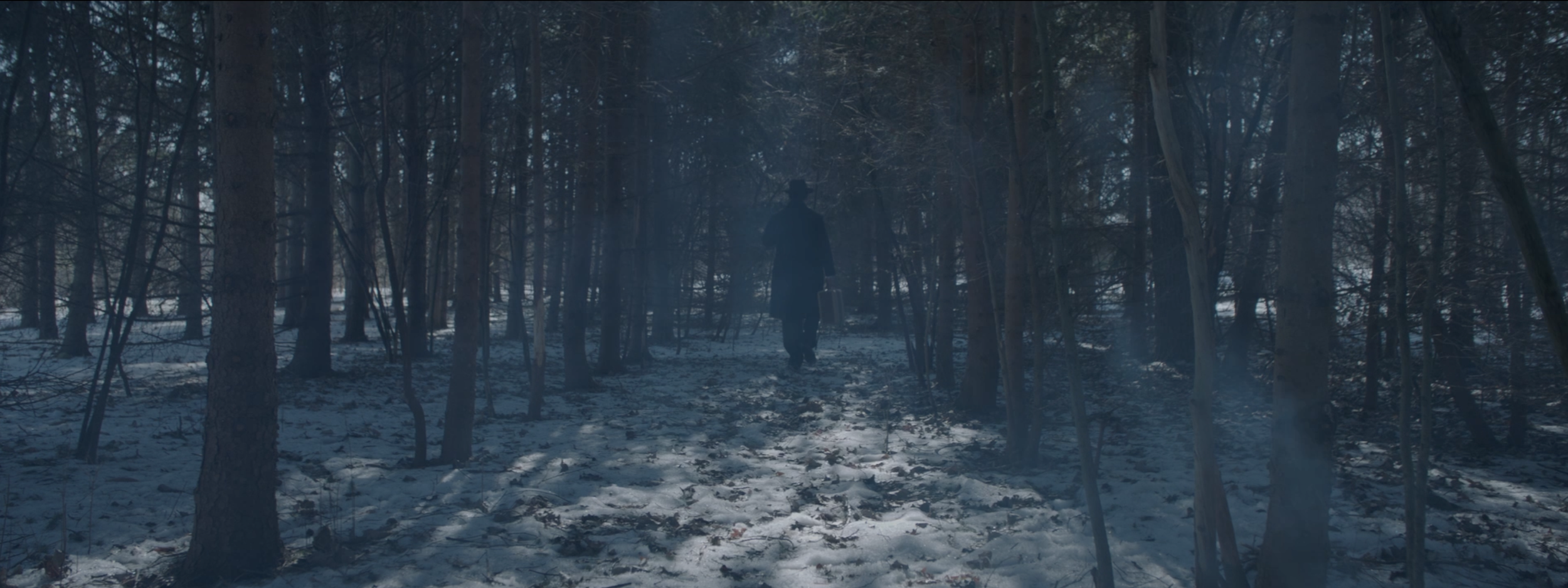
VISUAL APPROACHThe visual language of The Road is grounded in atmosphere, texture, and cinematic restraint. Historical memory is evoked through layered imagery, landscapes, fragments of archival traces, and carefully composed frames that suggest both absence and presence. The film aims for a poetic yet historically resonant tone.